Why Is My Hair So Dry This Winter?
Your Winter Hair & Scalp Questions Answered.
As the temperatures drop, one question I hear time and time again is:
“Why has my hair suddenly become so dry?”
After more than 25 years in the hairdressing industry, I can honestly say winter is one of the toughest seasons on your hair and scalp. It’s not just the cold weather that’s to blame. Dry air, indoor heating, hot showers and even wearing beanies can all strip moisture from your hair, leaving it feeling dry, dull, frizzy and difficult to manage.
The good news? With a few simple changes to your routine and the right professional products, you can keep your hair looking healthy, hydrated and shiny all winter long.
So, let’s answer some of the most common winter hair and scalp questions I get asked.
Why does my hair feel so dry in winter?
During winter, there’s far less moisture in the air, which means your hair loses hydration much faster than it does in summer. This is especially noticeable with curly and wavy hair, as these hair types naturally tend to lack moisture.
Then we make it worse by taking long, hot showers (I know, they’re hard to resist!), blow-drying more often and spending time in heated homes and offices. All these things can rob your hair of its natural moisture.
If your hair feels rough, tangled or lacks shine, chances are it’s crying out for hydration.
My Advice:
- Switch to a hydrating shampoo and conditioner.
- Add a leave-in conditioner to your routine. A spray leave-in is ideal for fine to medium hair, while a cream leave-in is better suited to thicker, coarser hair.
- Use a nourishing hair mask once a week.
- Finish with a lightweight hair oil or serum to help smooth the hair and lock in moisture.
It’s one of the simplest changes you can make, but it can make a huge difference.
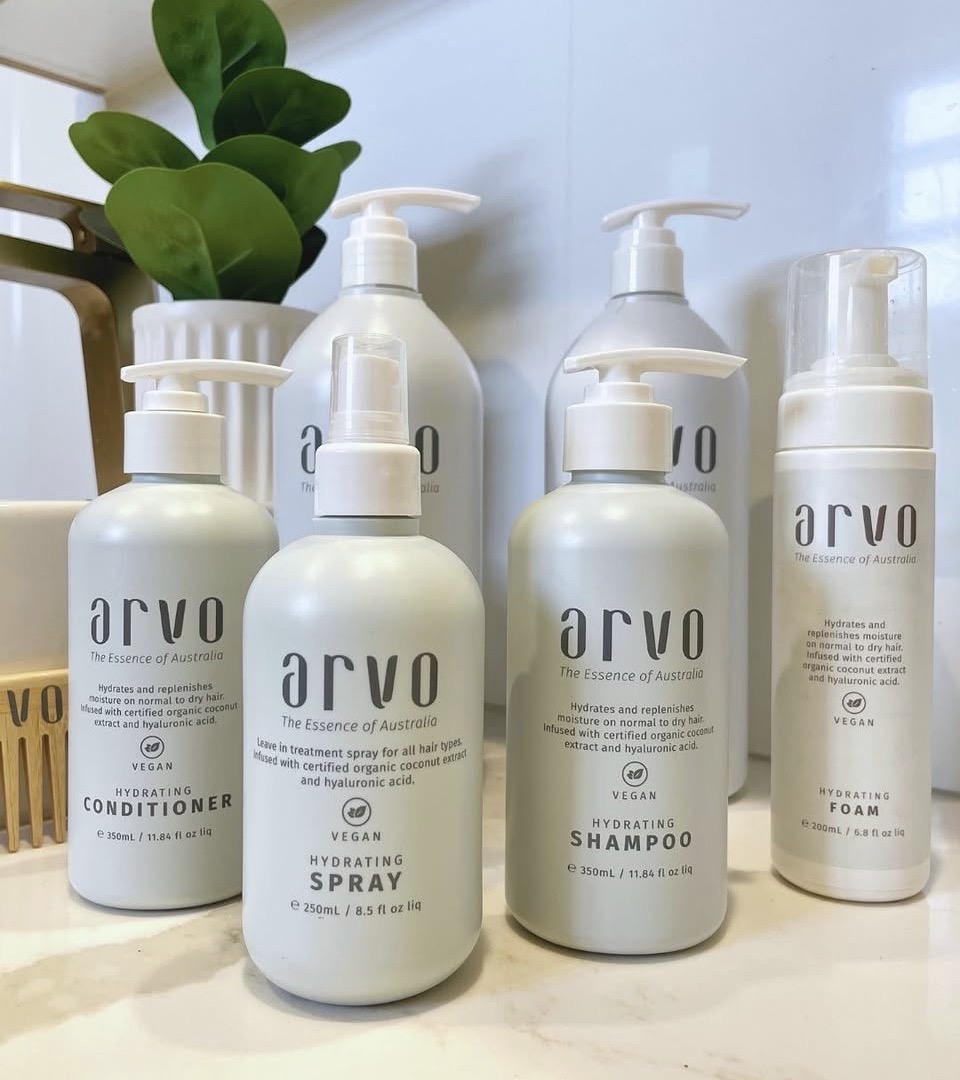
My winter favourite: Arvo Haircare
My go-to favourite range for all the above is Australian brand Arvo Haircare. Their Hydrating Range includes a Hydrating Shampoo, Conditioner and Mask, while the Smoothing Serum is a perfect lightweight serum to apply daily to dry hair.
Shop Arvo Haircare
Why is my scalp so dry and itchy?
Your scalp is skin, and just like the skin on your face and hands, it can become dehydrated during winter.
Many people automatically assume they have dandruff, but often it’s simply a dry scalp that needs moisture rather than stronger cleansing.
If your scalp feels tight, flaky or itchy, try avoiding very hot water when washing your hair and choose products specifically designed to soothe and hydrate the scalp.
One of my biggest tips is never go to bed with wet hair. Sleeping with damp hair means your scalp is sitting in a warm, moist environment for hours. This can disrupt the scalp’s natural balance and potentially contribute to irritation, itchiness and increased flaking—especially during winter when your scalp is already under stress.
Always make sure your scalp and hair are properly dry before going to bed.
Ingredients such as aloe vera, hyaluronic acid, tea tree and fermented botanicals can help support moisture and soothe the scalp.
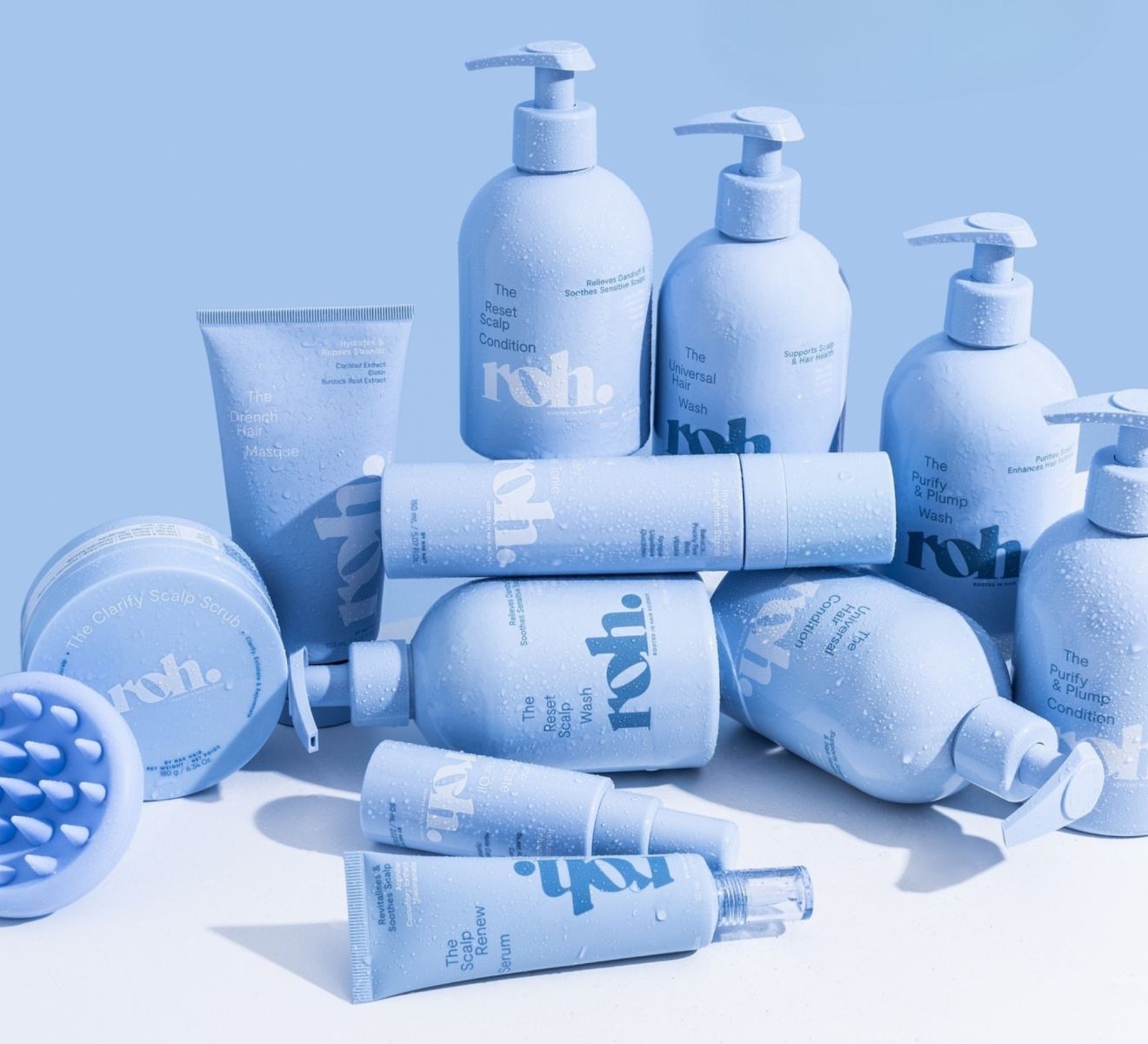
My winter scalp pick: ROH Haircare
A great range for both scalp and hair is Australian brand ROH Haircare. The range focuses on nurturing, protecting and repairing the scalp microbiome, helping to soothe an itchy scalp, reduce flaking and support healthier-looking hair.
My go-to in winter is the ROH Clarify Scalp Scrub, especially because my own scalp can become oily while also becoming flaky during the colder months.
Shop ROH Haircare
Is it dry scalp or dandruff?
This is probably one of the biggest misconceptions I see.
Although they can look similar, dry scalp and dandruff are quite different.
|
Dry Scalp
|
Dandruff
|
|
Small, dry white flakes
|
Larger, often oily flakes
|
|
Tight, dry or itchy feeling
|
May be oily with irritation
|
|
Often related to lack of moisture
|
Often associated with excess oil and yeast
|
|
Usually benefits from hydration
|
Needs targeted anti-dandruff care
|
Choosing the wrong shampoo can make the problem worse, so it’s important to understand what you’re treating.
This is something I help customers with all the time. Quite often, they’ve been treating a dry scalp with an anti-dandruff shampoo when what their scalp really needs is hydration. Using the wrong product can sometimes make the problem worse, so getting the right approach is the first step.
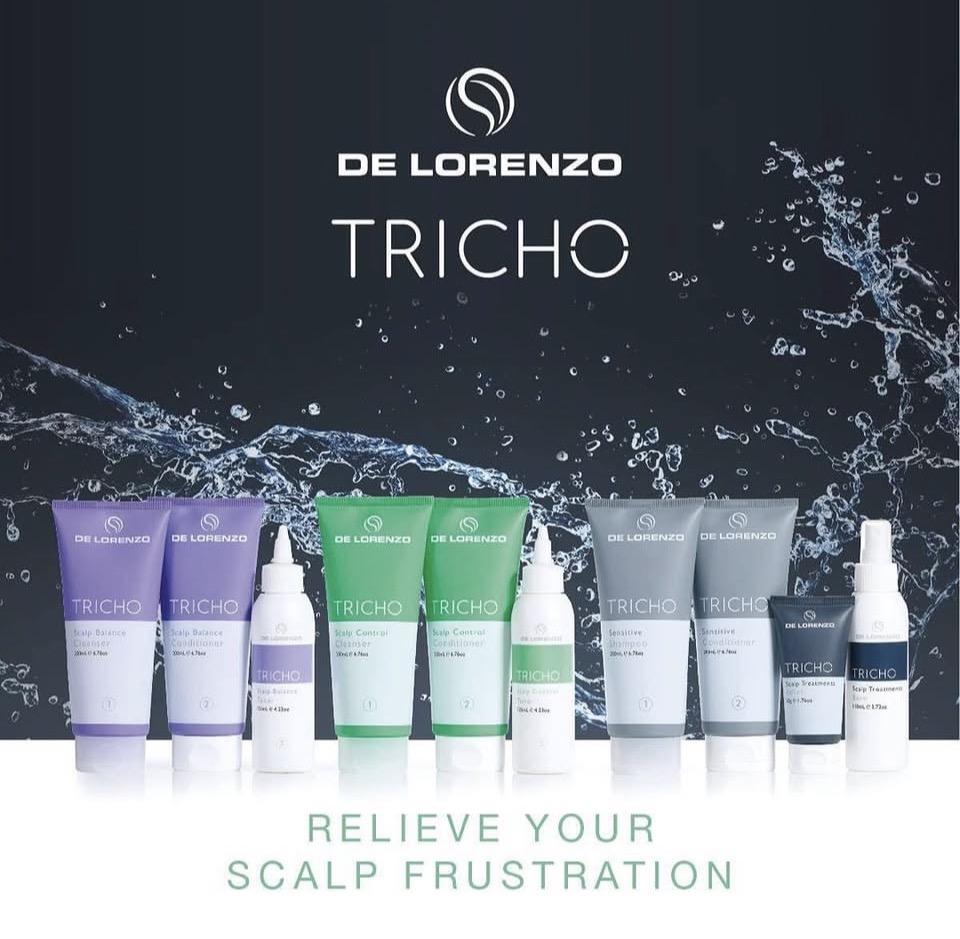
My recommendation: De Lorenzo Tricho Series:
De Lorenzo Tricho Series makes it easier to choose the right scalp care. The range includes Scalp Balance, designed for dry scalps, and Scalp Control, designed for oily scalps and dandruff.
If you’re not sure which one is right for you, the starter kits are a great way to begin your scalp care routine and work out what your scalp needs.
Shop De Lorenzo Tricho Series
Why is my hair so frizzy in winter?
Frizz happens when your hair is searching for moisture.
Dry winter air combined with heated styling tools and indoor heating can cause the hair cuticle to lift, allowing moisture to escape.
The result?
Frizz.
Flyaways.
Static.
Hair that simply won’t behave.
If you’ve already switched to a smoothing shampoo and conditioner but your hair is still frizzy, it’s time to add a leave-in product. This is often the missing step in people’s routines.
A professional leave-in conditioner can help smooth the cuticle, improve manageability and control frizz throughout the day. Follow it with a smoothing serum or lightweight hair oil for even more control.
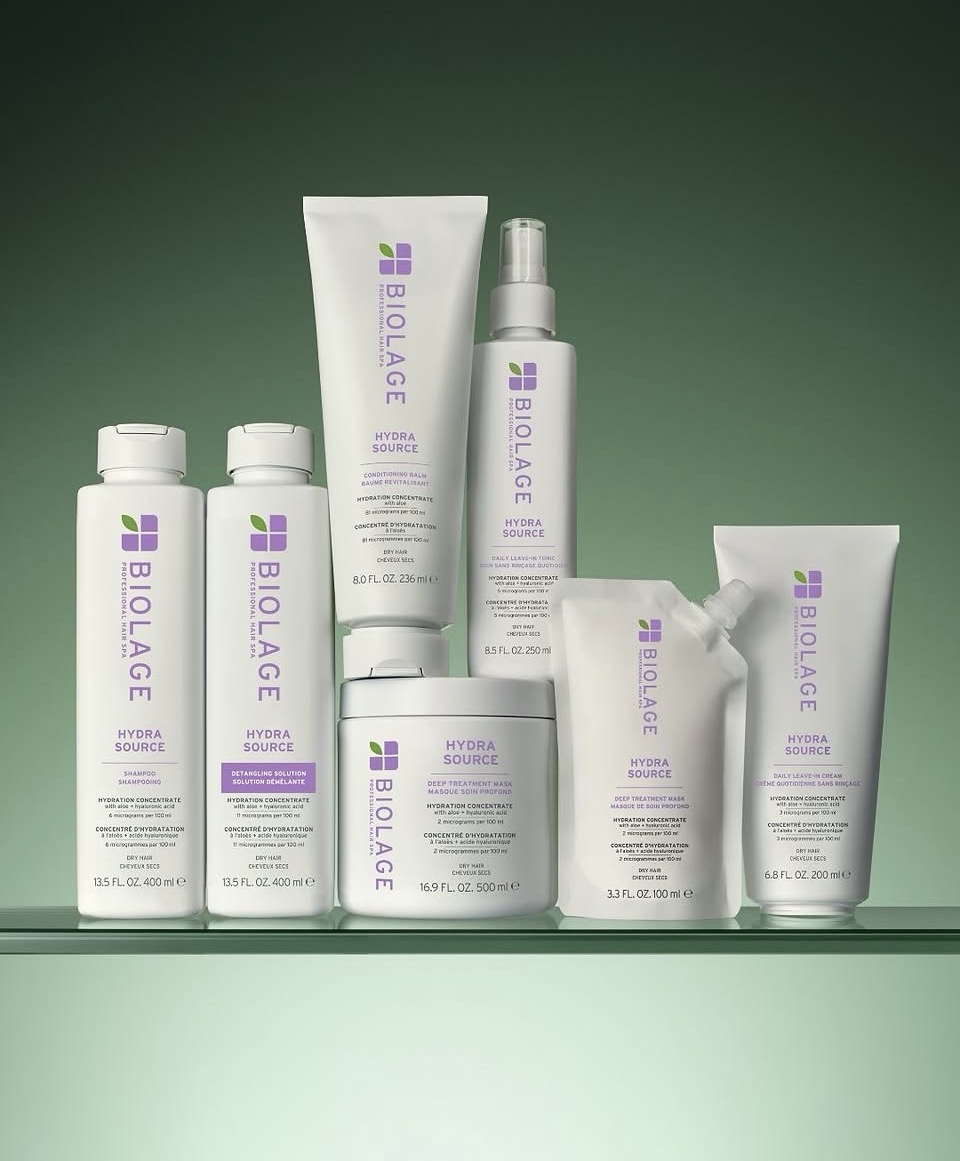
My pick: Biolage Hydra Source
I recommend more of a cream leave-in when you’re trying to control stubborn frizz and flyaways.
Biolage Hydra Source has two leave-in creams:
- Daily Leave-In Cream – ideal for fine to medium hair.
- Ultra Leave-In Cream – better suited to thicker, very dry hair.
You can then follow with the Biolage All-In-One Multi-Benefit Oil to help control static and flyaways on dry hair.
Shop Biolage Treat & Style
Should I use a hair mask?
Absolutely.
Think of your regular conditioner as your daily moisturiser.
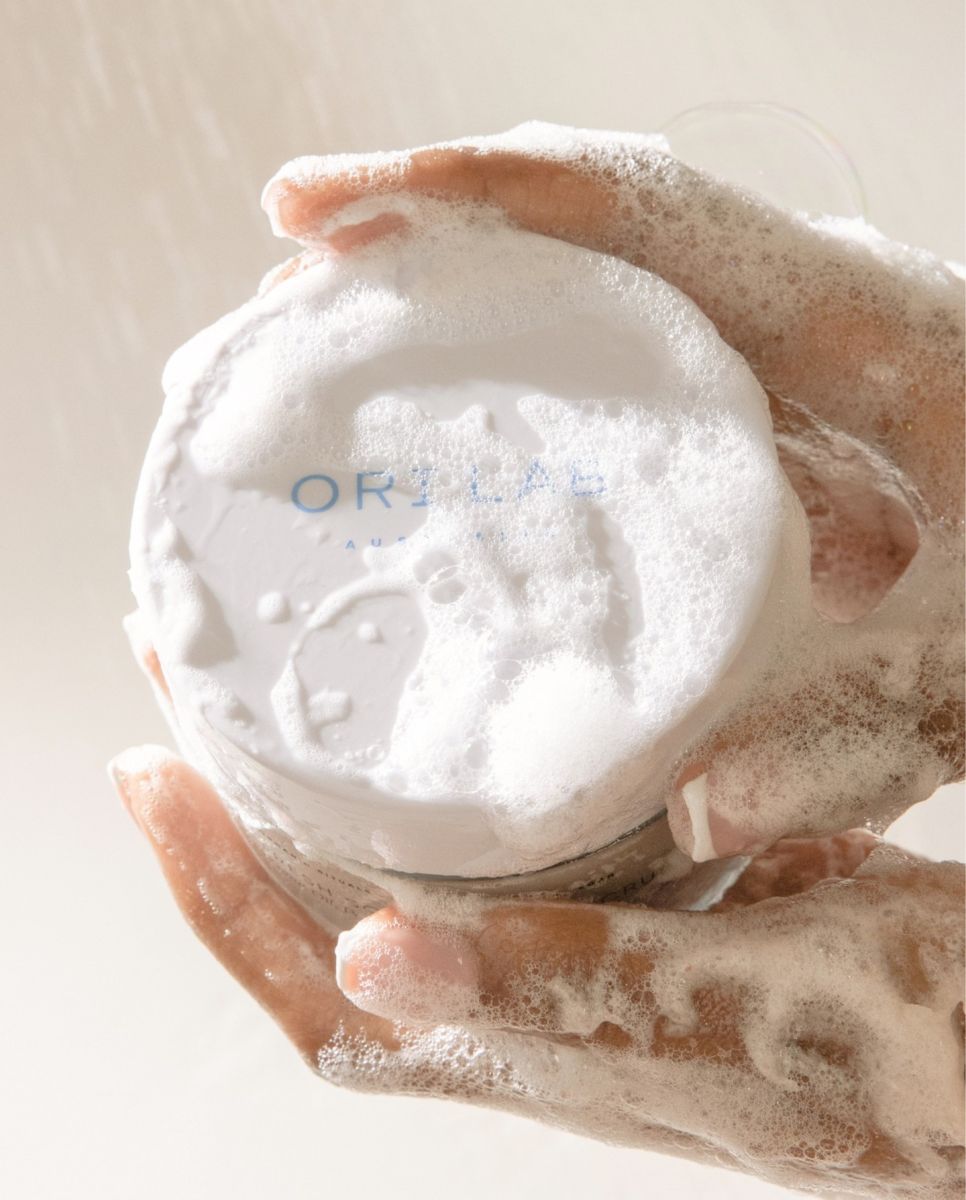
A hair mask is more like an intensive treatment that delivers deeper nourishment and hydration.
I often get asked if a hair mask really makes a difference, and my answer is always yes. A quality mask contains a higher concentration of conditioning ingredients than your everyday conditioner, making it ideal for giving dry, damaged or dehydrated hair some extra care.
If your hair is coloured, blonde, curly or regularly heat styled, I’d recommend using a treatment mask once a week throughout winter.
And for those who only wash their hair once or twice a week, your mask can replace your conditioner during your winter routine.
You’ll soon notice softer, shinier and healthier-looking hair after just a few uses.
Depending on which professional haircare brand you use to cleanse your hair, you’ll find a treatment mask to suit your hair type and needs. I personally look for formulas with nourishing, quality ingredients that give the hair what it needs rather than simply coating it.
Shop Natural Hair Masks & Treatments
Should I wash my hair less in winter?
Not necessarily.
One of the biggest myths is that washing your hair less will automatically make it healthier.
The truth is it depends on your hair type, scalp and lifestyle.
Do you sweat at the gym? Work outdoors? Use a lot of styling products? Rely on dry shampoo between washes?
All these things can affect how often you should wash your hair.
If you have an oily scalp, you’ll still benefit from regular cleansing. Allowing oil, styling products and dry shampoo to build up can lead to irritation and even more flaking.
On the other hand, if your scalp is dry or sensitive, choose a gentle, hydrating shampoo that’s free from sulphates to help minimise irritation.
Instead of simply washing less, focus on using products that suit your individual hair and scalp needs.
Every scalp is different, so if you’re unsure where to start, our team is always happy to help. Visit us at our warehouse, send us an email at info@hairbyu.com.au, or message us on social media. We love helping people find the right routine.
How can I stop static hair?
Static is incredibly common during winter.
I get this especially when I straighten out my curls and run the straightening iron through my locks. Once the moisture has been removed from the hair, those little flyaways can have a mind of their own!
To help reduce static, I recommend:
- Using a leave-in conditioner prior to styling.
- Applying a small amount of hair oil through the mid-lengths and ends after styling.
- Drying your hair with a microfiber towel instead of rubbing it with a regular towel.
- Using quality heat styling tools with adjustable temperature settings. Lower the heat, less moisture removed.
- Avoiding over-drying your hair.
These simple changes can dramatically reduce flyaways and leave your hair smoother and shinier.
My little salon trick for stubborn static:
One of my favourite tricks is to apply a small amount of anti-humidity hairspray or a lightweight wax spray, such as Juuce Wake Up Wax Spray, to the palms of your hands.
Rub your hands together and gently work the product through the mid-lengths and ends, then lightly smooth over the root area to calm static and flyaways.
The key is to use only a small amount—you want to control the static, not make your hair feel heavy or sticky!
Which ingredients should I look for?
When shopping for winter haircare, I always tell my clients to look beyond the label and focus on the ingredients.
Some of my favourites include:
- Hyaluronic Acid – helps attract and retain moisture.
- Aloe Vera – helps hydrate and soothe the scalp.
- Argan Oil – helps soften the hair and add shine.
- Shea Butter – provides rich nourishment for dry hair.
- Bond Repair Technology – helps strengthen and support damaged hair.
- Ceramides – help support the hair’s protective barrier and improve smoothness.
These ingredients can help keep your hair healthy, hydrated and more resilient during the colder months.
My Simple Winter Hair Routine
If you’re wondering where to start, here’s the routine I recommend to many of my clients.
Every Wash:
✔ Hydrating shampoo
✔ Moisturising conditioner
✔ Leave-in conditioner
Once A Week:
✔ Deep conditioning treatment or hair mask
Before Heat Styling:
✔ Always use a heat protectant
Daily:
✔ Apply a lightweight hair oil or serum to the ends if they feel dry.
My Final Thoughts:
After more than 25 years of helping people care for their hair, one thing I’ve learned is that healthy hair starts with understanding what it needs.
Winter doesn’t have to mean dry, frizzy or unmanageable hair. By making a few small changes to your routine and choosing products designed to hydrate, nourish and protect, you can enjoy soft, shiny, healthy-looking hair all season long.
@HairByU, I’ve carefully selected salon-quality products that I trust and recommend to my customers. I don’t believe in simply selling you a product—I want to help you find something that suits your hair, your scalp and your lifestyle.
Whether you’re looking for hydrating shampoos, nourishing treatments, scalp care or styling essentials, our team is always here to help.
Hair should make you feel confident every day—not just on the day you leave the salon. That’s why I’m passionate about sharing the knowledge I’ve gained over more than 25 years in the industry and helping you get the best from your hair at home.
Because great hair isn’t just for salon day—it’s something you should enjoy every day.
Jodie x
HairByU